
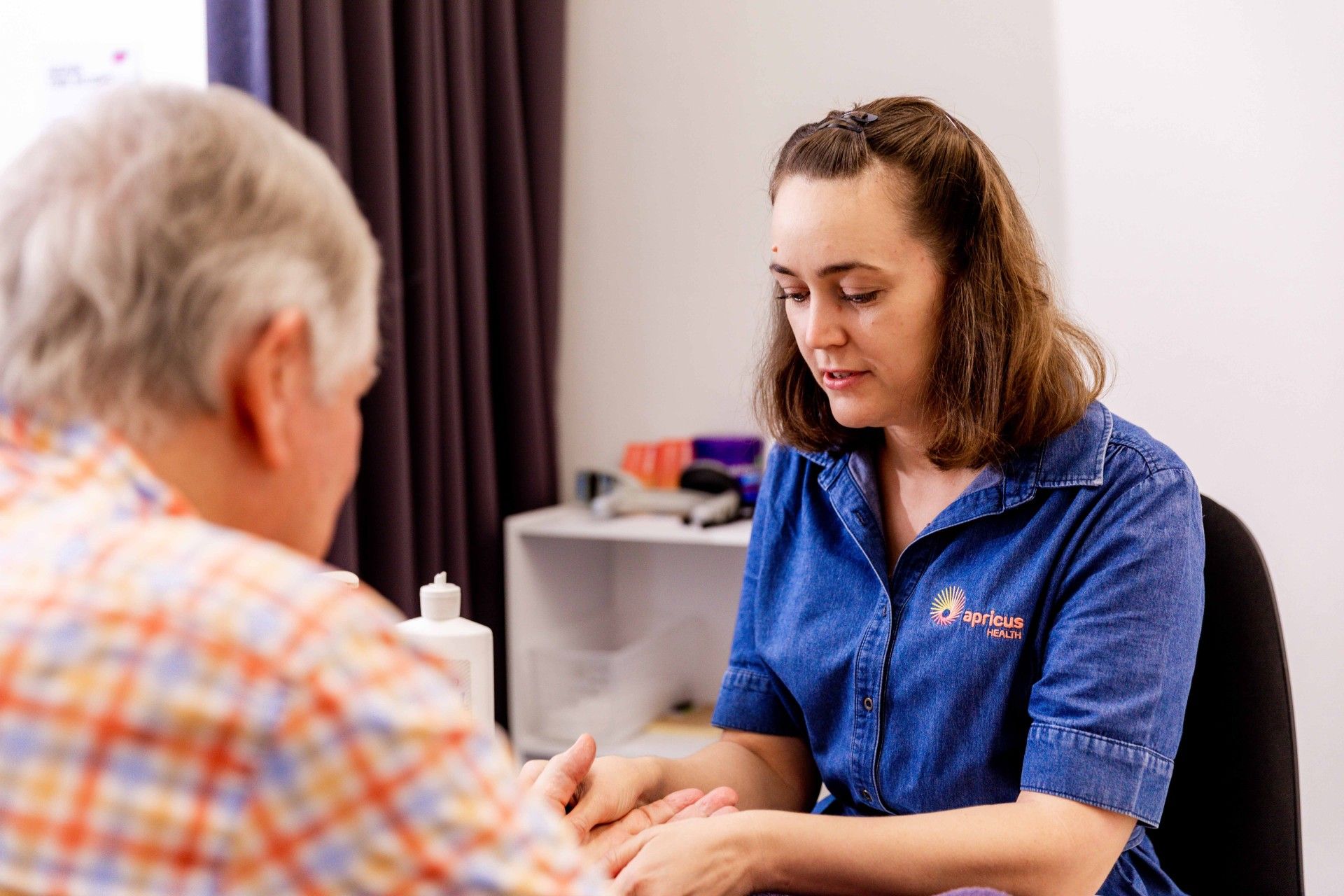
At Apricus Health, we can assess and treat scars from any area of the body and from a wide range of causes. This includes surgical scars, scars following wounds or trauma, and burns caused by heat, friction, electrical injury or other mechanisms.
Scar management can be important for both appearance and function. From an aesthetic perspective, treatment may help minimise redness, raised or thickened areas and improve the overall appearance and feel of the scar.
Often, however, the reason for treatment is functional. Scar tissue can become tight, uncomfortable, itchy or sensitive and may restrict movement. Depending on where the scar is located, this can interfere with a person's ability to move normally or complete everyday activities. Our aim is to help the scar become softer, more comfortable and less restrictive, with as little impact as possible on movement and function.
We can become involved from the acute stage of an injury or burn and continue treatment through to scar maturation. However, a scar does not necessarily need to be new for us to assess it. We are happy to assess older scars if they continue to affect movement, comfort, function or appearance.
The types of scars we commonly see are varied and can include:
- hand and upper limb scars
- scars following orthopaedic surgery, such as ankle surgery
- traumatic scars following wounds or injuries
- burns involving the face, chest, arms, hands, legs or other areas of the body
- larger or more complex burns involving multiple areas of the body
- skin graft and donor sites
- caesarean section scars
- scars following breast surgery or augmentation
- scars following cancer surgery
- keloid scars following ear piecing
Treatment is individualised depending on the stage and type of scar and what is most important to the person.
If we are involved early, treatment may begin while the wound or burn is still healing. This can include wound care and selection of appropriate dressings, including products specifically suited to burns and options that can help make dressing changes more comfortable.
Oedema or swelling can also be a significant part of recovery following burns, surgery and traumatic injuries. We can assess and treat the swelling alongside the wound or scar rather than treating these as completely separate problems. Managing oedema can help with comfort and movement and can be an important part of restoring function as the tissues heal.
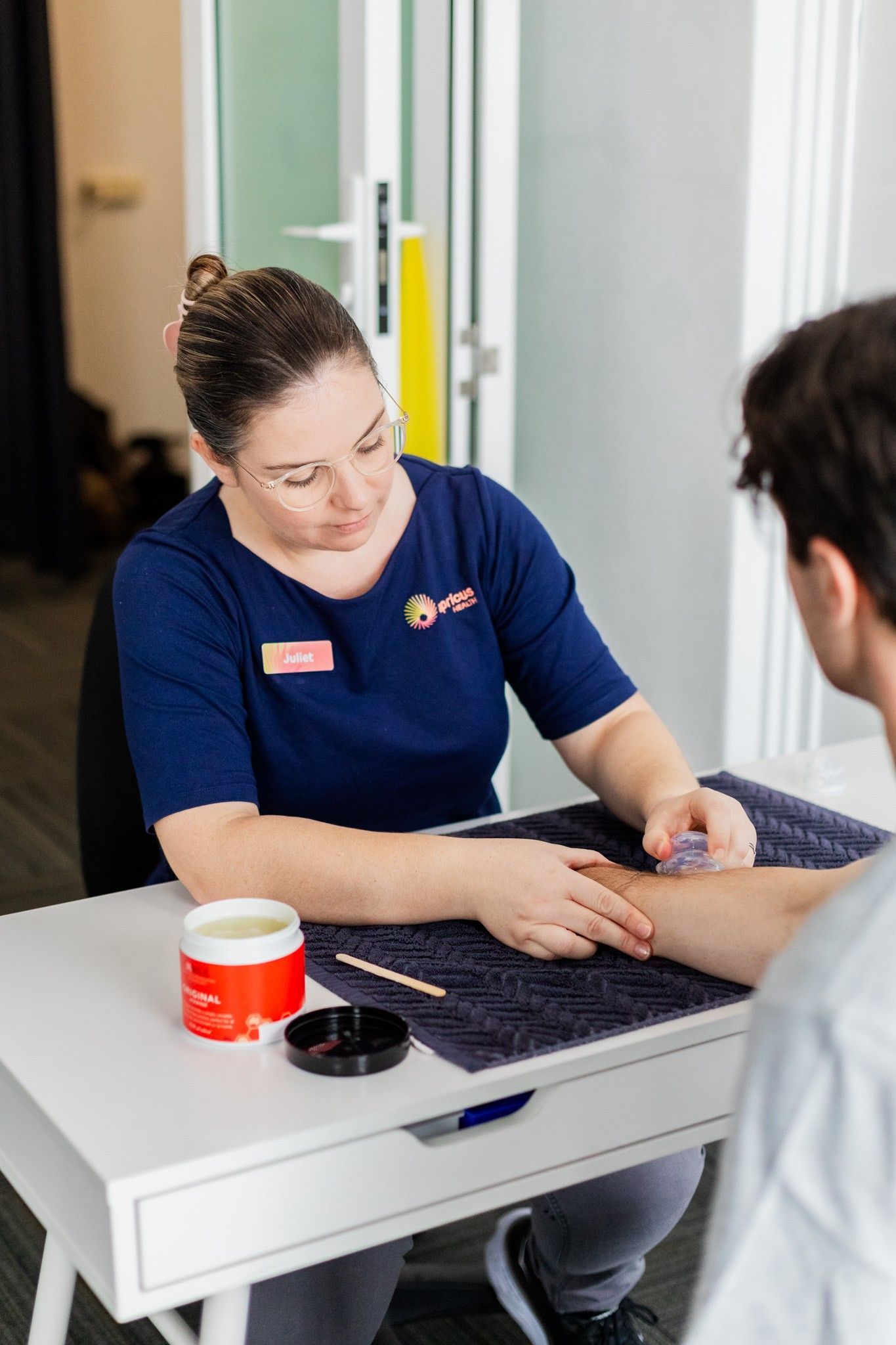
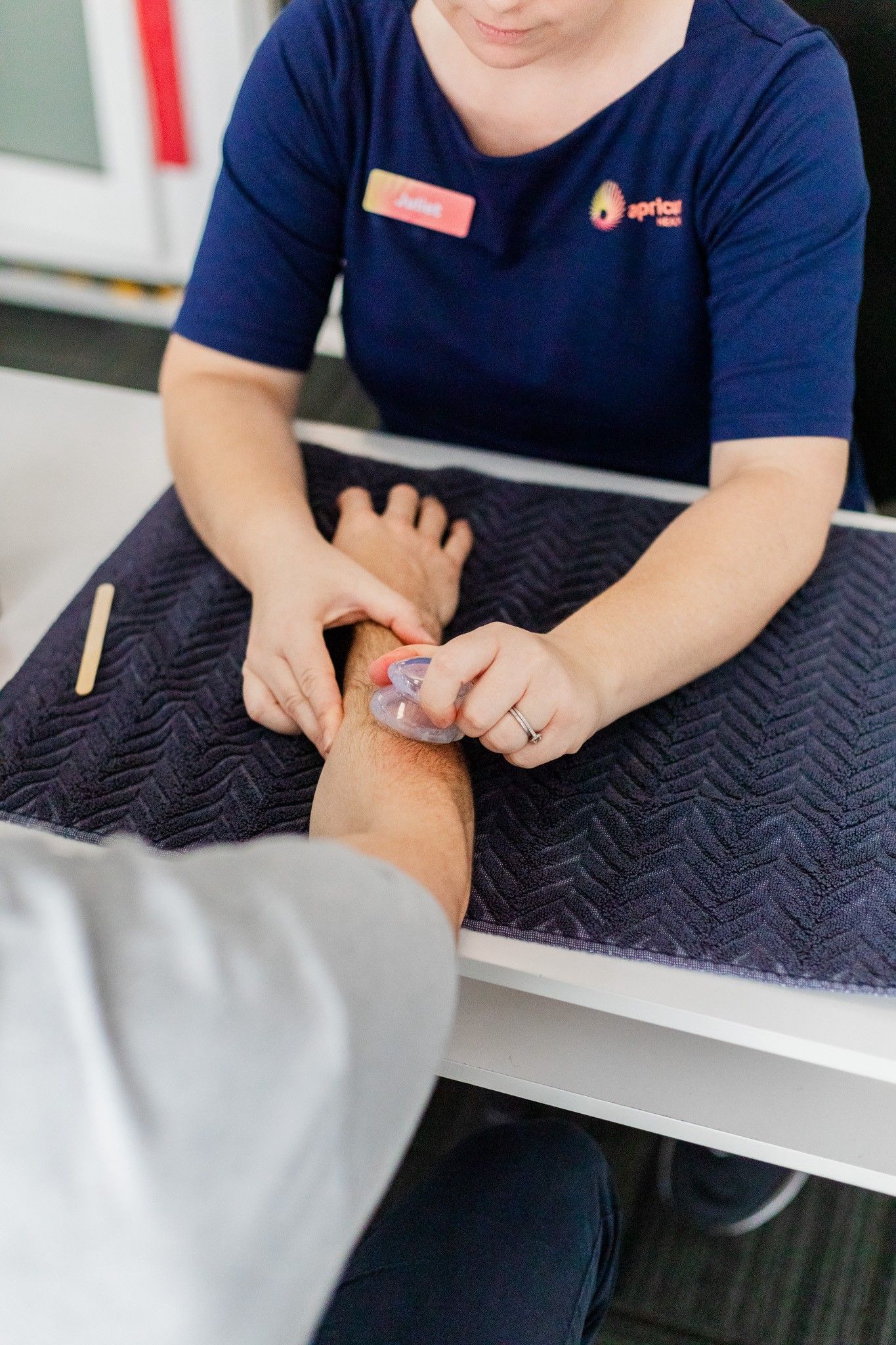
Once the wound has healed, treatment may include education, advice on oils/ointments, scar massage, negative pressure massage using techniques such as therapeutic cups or our Lymphatouch equipment, and red light/low-level laser therapy.
Our therapists are also trained in assessing and measuring for compression therapy. This may include custom-made compression garments or off-the-shelf garments where appropriate. Compression can form part of both scar and oedema management and may also be prescribed for donor sites.
Scar management is rarely about treating the appearance of a scar in isolation. We consider how the scar feels, how the tissues move, whether there is associated swelling, whether movement is being restricted, whether there is pain, itch or sensitivity, and how all of these factors are affecting the person's everyday life.
We also work alongside the other health professionals involved in a person's care. This may include plastic and other surgeons, hospital teams and referring practitioners. We receive referrals following acute care through services including Townsville University Hospital and Mater Hospital, and also work with patients who have received specialist burns care through the Royal Brisbane and Women's Hospital.
People do not need to wait until a scar becomes problematic before seeking advice. Early scar management can be helpful, but we are equally happy to assess an established scar if it is causing tightness, discomfort, itch, restricted movement or functional difficulties, or if the person would simply like to explore whether its appearance can be improved.